Climbing Mount Fuji with a Hot-Spring Onsen Finish
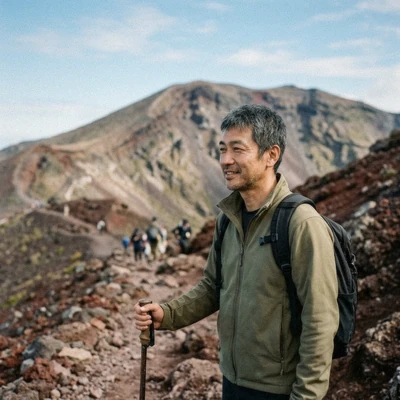
Coming down off Mount Fuji, your legs are wrecked, your face is windburned, and every muscle wants one thing: hot water. This two-day climb builds that in. It is a well-supported ascent for first-time high-altitude hikers, with a hut stay, meals and a small group, and it ends with a hot-spring onsen soak before the ride back to Tokyo. Here is what the climb involves and why the onsen matters more than it sounds.
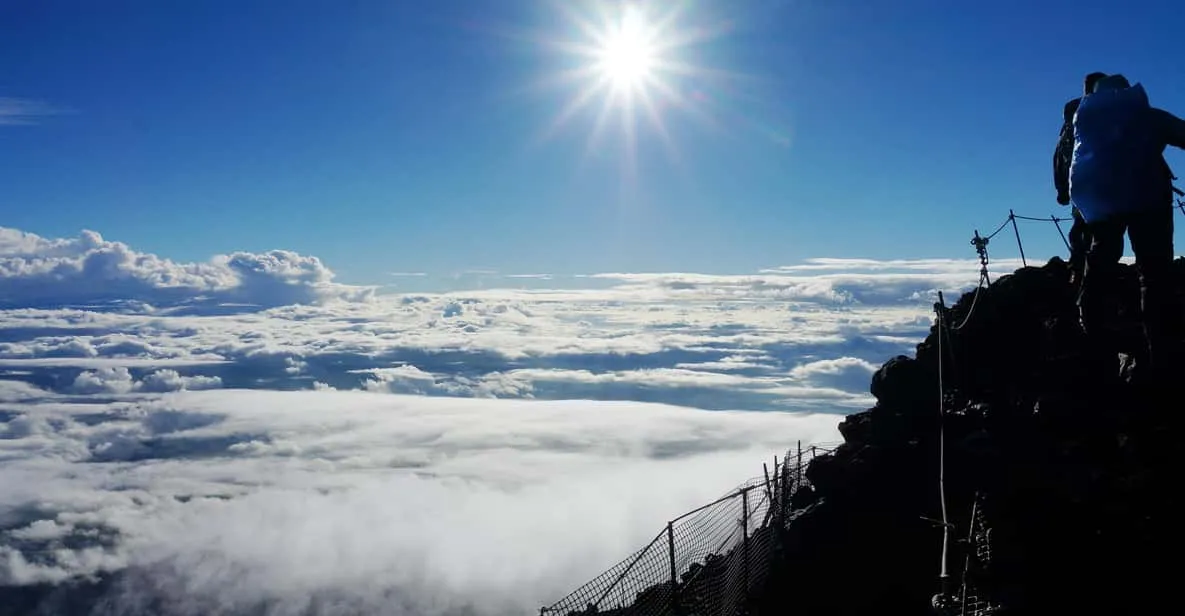
The Climb at a Glance
A hot-spring soak after the descent — the single best thing you can do for climb-battered legs before the drive home.
A licensed English-speaking guide leads a small group and paces the climb for the altitude.
An overnight mountain hut with meals is included, along with the 4,000 yen 2026 entry fee arranged for you.
A free rest area at the 5th station gives you a comfortable base before the climb begins.
The format is built for fit first-time high-altitude hikers who want plenty of structure.
A 4.2-star record, with reviewers repeatedly praising the pace, the meals and the spa bath at the end.
Check Dates & Availability
Why the Onsen Is More Than a Nice Extra
Fuji punishes the descent more than the climb. The trail down is long, loose volcanic gravel, and by the bottom your knees and quads have taken thousands of braking steps. This is where the onsen earns its place on the itinerary. A hot-spring soak eases the stiffness before it sets in, so the drive back to Tokyo is bearable and the next day is not a write-off. Reviewers mention the spa bath as often as the summit, which tells you something.
The rest of the climb is built to be reassuring rather than heroic. A free rest area at the 5th station gives you a comfortable start, the group is small, and an English-speaking guide sets a steady pace with the altitude in mind. The overnight hut and meals are included, and the guide handles the 2026 entry fee and reservation. It is one of the more comfortable ways up for a fit first-timer, and sits alongside the other guided Fuji climbs on the homepage. One note for anyone with tattoos: some hot springs do not admit visible tattoos, so check with the operator before you count on the soak.
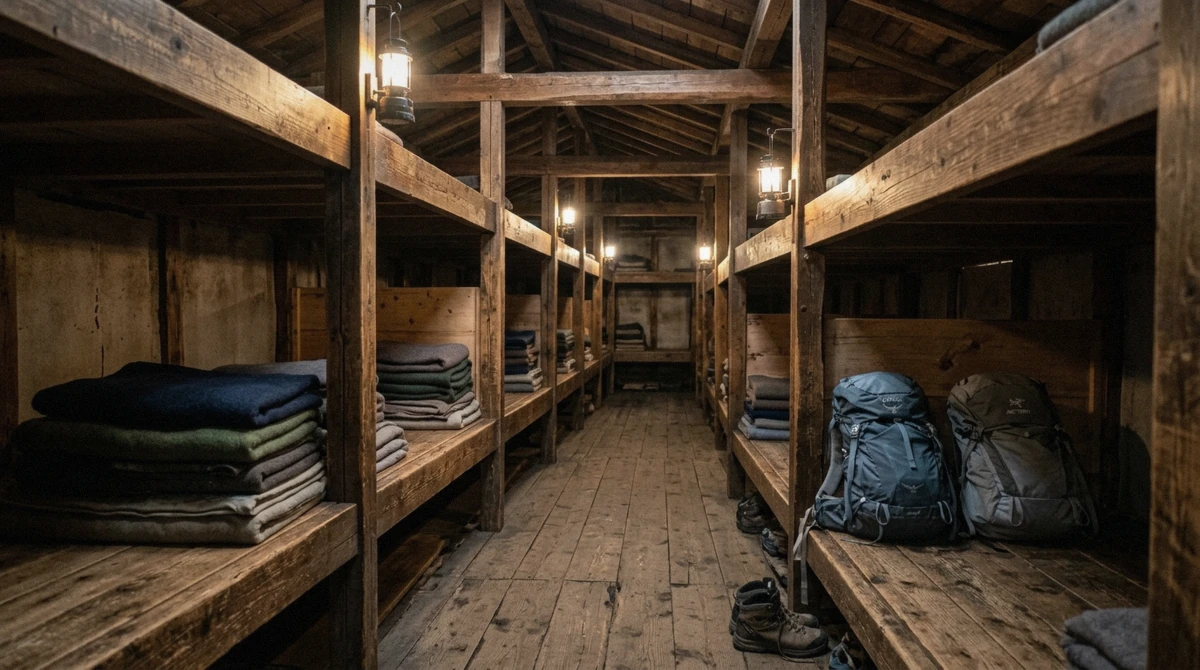
The overnight hut and meals are included, and the onsen comes after the descent.
How the Two Days Unfold
The plan is a classic two-day climb with the hot spring bolted onto the end.
- Morning: meet in Tokyo and transfer to the 5th station, with a free rest area to settle in
- Afternoon: climb the trail with a small group and an English-speaking guide to a mountain hut
- Evening: a hot dinner and a night's rest at the hut before the summit push
- Pre-dawn: the final climb by headlamp to reach the crater for the goraiko sunrise
- Morning: descend the long zig-zag trail back toward the 5th station
- Afternoon: a hot-spring onsen soak, then the drive back to Tokyo
What's Included and What to Budget For
Included in your booking:
- Round-trip transport between Tokyo and the 5th-station trailhead - Licensed English-speaking guide and a small group - One night in a mountain hut with meals - A free rest area at the 5th station - A hot-spring (onsen) soak after the descent - The 4,000 yen 2026 entry fee, arranged for you
Budget separately:
- Gear rental if needed — confirm with the operator in advance - Extra food, water and drinks on the mountain - Coins for the hut toilets - Travel insurance covering high-altitude trekking - A towel for the onsen if one is not provided
The Two-Day Schedule
-
Day 1 · Morning
Meet and rest at the 5th station
Transfer from Tokyo to the 5th station, with a free rest area before the climb.
-
Day 1 · Afternoon
Climb to the hut
A small-group climb with an English-speaking guide to an overnight mountain hut.
-
Day 1 · Evening
Dinner and rest
A hot dinner and a night's sleep at the hut before the summit push.
-
Day 2 · Pre-dawn
Summit for sunrise
The final climb by headlamp to the crater for the goraiko sunrise.
-
Day 2 · Afternoon
Descend and soak
Down the zig-zag trail, then a hot-spring onsen soak before the drive to Tokyo.
Know Before You Climb
A few practical notes for this climb in particular:
- Some onsen do not admit visible tattoos — check with the operator in advance if this affects you
- The summit is near freezing at dawn even in summer, so pack warm layers and gloves
- Proper trekking shoes, warm clothing and rainwear are checked at the gate
- Altitude sickness is about pace — climb slowly, hydrate, and use the rests
- The descent is hard on the knees; trekking poles help, so rent them if you don't own any
Where the Climb Begins
Who This Climb Suits
This climb suits fit first-time high-altitude hikers who want a comfortable, well-structured ascent and love the idea of ending in a hot spring rather than a long tired drive. It rewards anyone who values the small extras — the 5th-station rest, the meals, the onsen — as much as the summit itself. If you would rather skip the midnight climb entirely, the summit hut stay is the alternative, and time-pressed hikers can look at the one-day climb.
Onsen Fuji Climb FAQs
Is the onsen really included?
Yes. A hot-spring onsen soak after the descent is part of the tour, and reviewers rate it almost as highly as the summit. It is the best thing you can do for climb-tired legs before the drive back to Tokyo.
Can I use the onsen if I have tattoos?
It depends on the hot spring. Some Japanese onsen do not admit visible tattoos, and one reviewer flagged this as a surprise. Check with the operator before you book if it matters to you.
Is this climb good for first-timers?
Yes. It is one of the more comfortable, well-supported two-day climbs, with a small group, an English guide, a free 5th-station rest area and meals included — built with fit first-time high-altitude hikers in mind.
How hard is the climb itself?
It is a genuine high-altitude climb and more challenging than many expect, but the steady pace, hut rest and rest stops make it manageable for anyone with reasonable hill-walking fitness.
What if the weather turns?
The guide can hold the group below the summit or adjust the plan if conditions are dangerous. Free cancellation and a flexible date mean a bad forecast does not force the climb.
What Climbers Say
Really great — more challenging than I anticipated, but totally worth it. Owada was a great guide and kept us at a good pace the whole way.
Such a good pace, and the guide waited for everyone, which was lovely. I met so many amazing people and Owada was so helpful and supportive. An unreal experience I'd recommend to anyone.
A genuinely tough climb, but the meals and the hot-spring bath at the end made all the difference. The rests were essential because of the altitude.