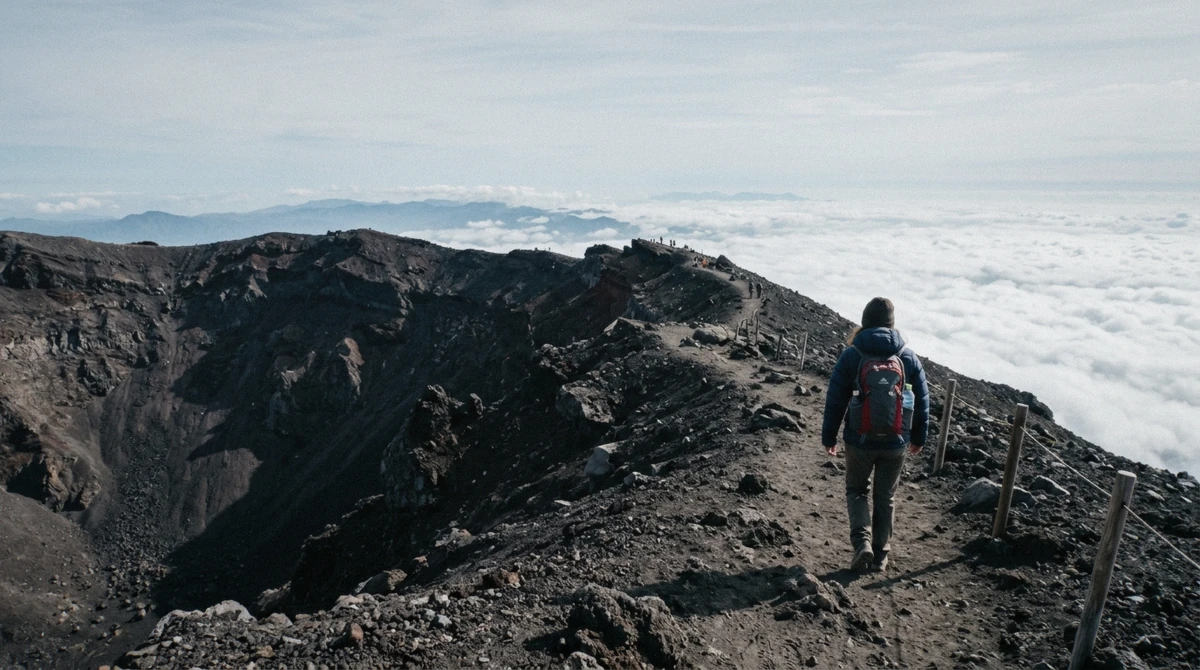
Compare guided Mount Fuji climbing tours from Tokyo: climb the 3,776-metre summit with a licensed guide, sleep in a hut near the crater, and wake for the goraiko sunrise above the clouds. Book with free cancellation.
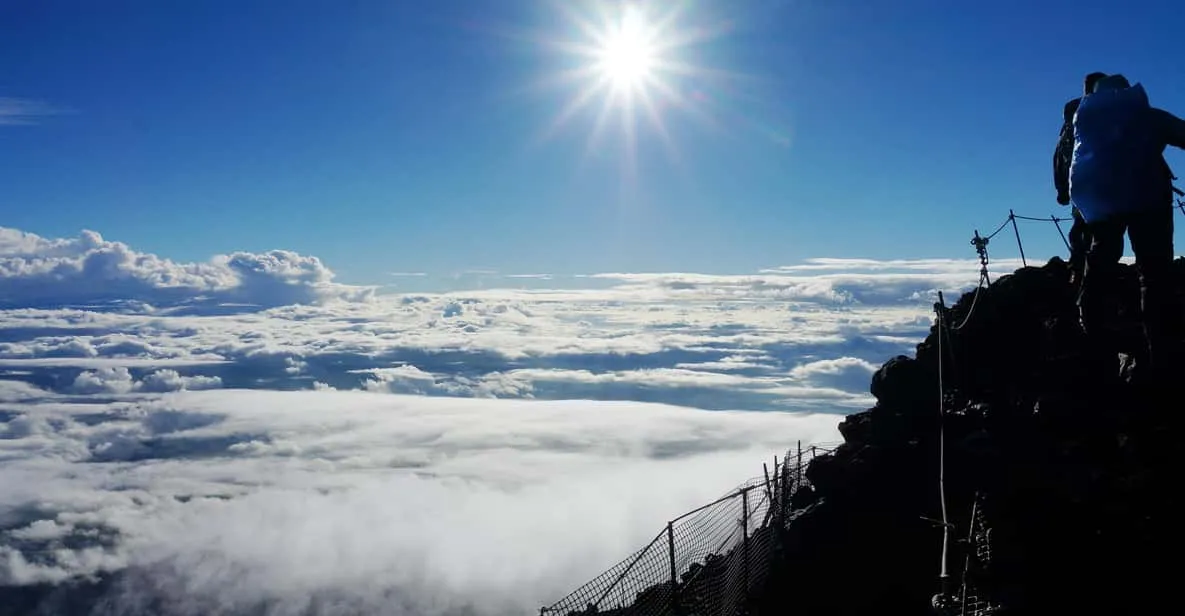
A guided Mount Fuji climbing tour is the simplest way to reach Japan's 3,776 m summit. A licensed guide handles the 2026 permit, reserves your mountain hut, and paces you up over two days to the goraiko sunrise. Guided climbs run $238 to $450 per person, include transport from Tokyo, and most offer free cancellation.
Every climb includes the 2026 permit, a hut bed with meals, and transport from Tokyo, with free cancellation on most
The season runs July 1 to September 10 and August weekends sell out first, so book early
Free cancellation
Instant confirmation
Transport from Tokyo
Licensed English guides
3,776 mSummit (Kengamine)
Jul–SepClimbing season
4 trailsTo the top
¥4,0002026 entry fee
Most Booked
The most-booked climb
2-Day Mt. Fuji Climbing Tour with a Mountain Guide
★★★★★★★★★★4.3(150 reviews)
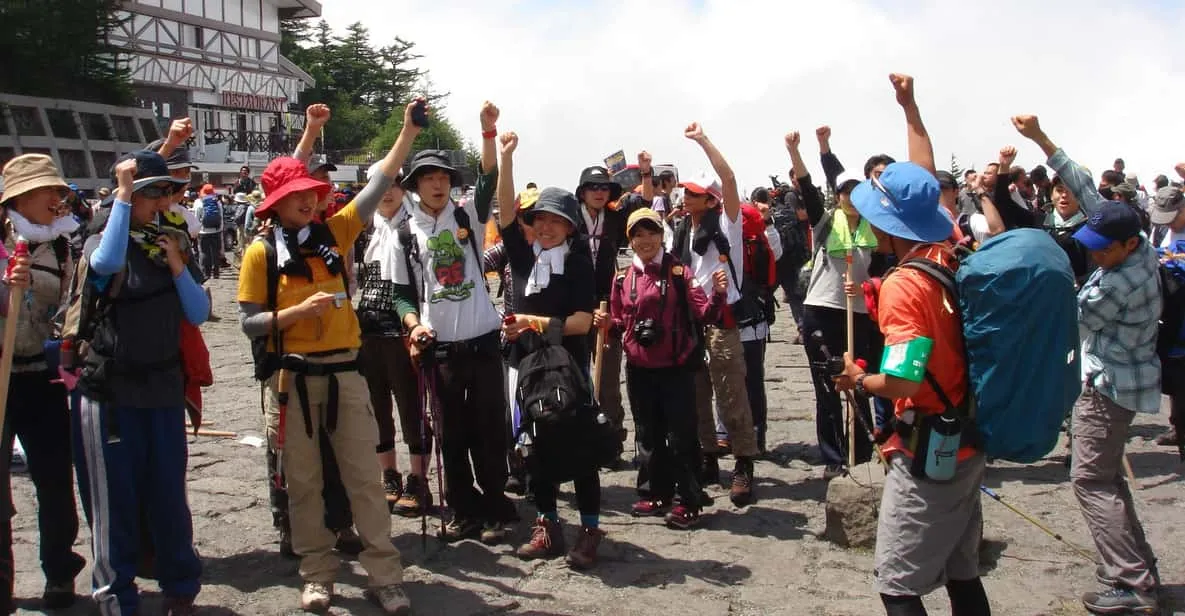
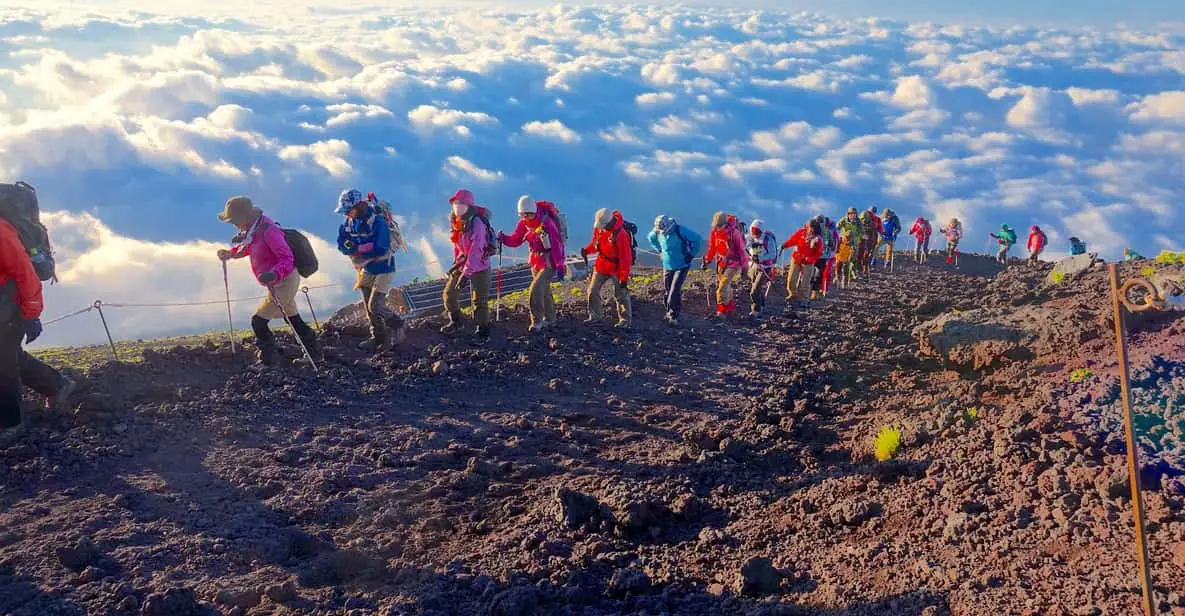
The most-booked guided ascent on this list. Meet at Tochomae Station in Shinjuku, transfer to the trailhead, and climb the classic Yoshida route to the summit over two days with a licensed local guide. An 8th-station hut break, sunrise from high on the mountain, and an onsen soak on the way back round out the trip.
Duration
2 days
Route
Yoshida trail · 8th-station hut · summit for sunrise
Every climb below is led by a licensed guide, includes transport from Tokyo, and offers free cancellation. Pick by how much time you have and how you want to reach the top — a relaxed lodge stay, the most-booked Yoshida route, a single hard day, or a quieter trail away from the crowds.
from $238Sunrise at the Summit
2-Day Mt. Fuji Climb with Summit Lodge Stay & Sunrise
★★★★★★★★★★4.7(15 reviews)· 2 days
Sleep at Japan's highest mountain hut (3,740m) just below the crater rim, then step outside for sunrise without the usual midnight push. Your guide takes you around the…
Overnight at Japan's highest hut (3,740m), right below the crater
Watch sunrise from the top without a gruelling midnight climb
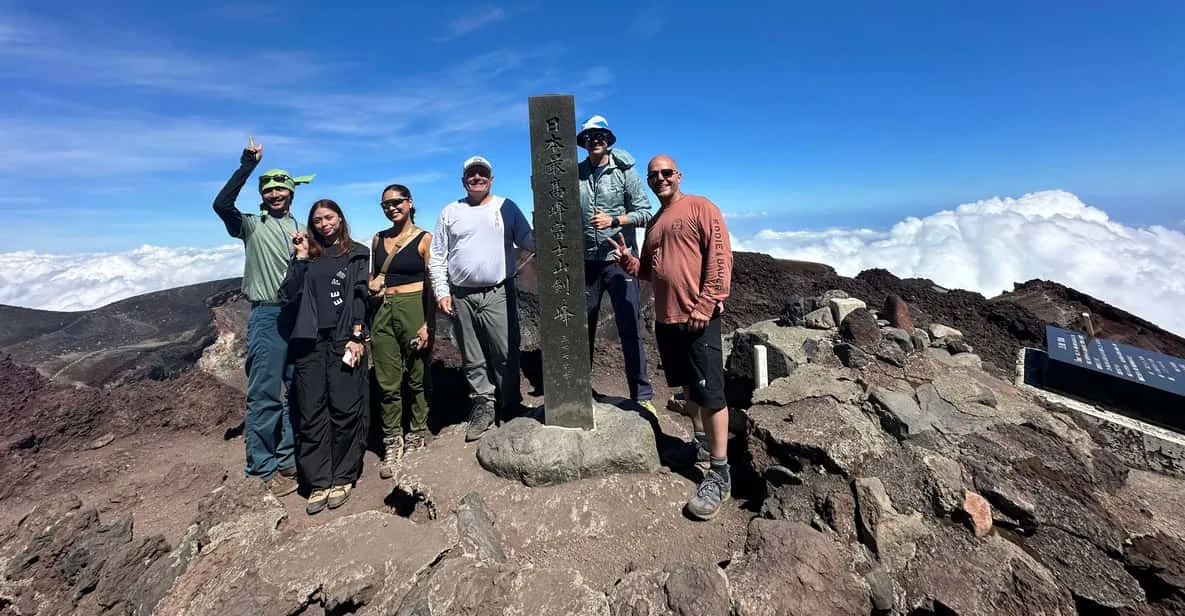
Circle the crater to Kengamine (3,776m), Japan's true high point
2-Day Mt. Fuji Climbing Tour with a Mountain Guide
★★★★★★★★★★4.3(150 reviews)· 2 days
The most-booked guided ascent on this list. Meet at Tochomae Station in Shinjuku, transfer to the trailhead, and climb the classic Yoshida route to the summit over two…
Classic Yoshida route to the 3,776m summit over two days
2-Day Mt. Fuji Summit Climb with 8th-Station Rest & English Guide
★★★★★★★★★★4.3(84 reviews)· 2 days
A two-day Yoshida-route climb built around a proper rest at an 8th-station hut, so you reach the crater fresh for sunrise. English-speaking guides pace the group, and everyone…
Overnight rest at an 8th-station mountain hut
English-speaking guides who set a steady pace
Sunrise (goraiko) from near the summit
Summit certificate for everyone who reaches the top
2-Day Mt. Fuji Climb with Hut Stay, Meals & Hot Springs
★★★★★★★★★★4.2(57 reviews)· 2 days
A well-supported two-day climb for first-time high-altitude hikers: an English guide, small group, a free rest area at the 5th station, and a hot-spring soak after you come…
1-Day Mt. Fuji Summit Climb from Tokyo with Free Gear Rental
★★★★★★★★★★5.0(4 reviews)· 1 day
For strong hikers short on time: summit Fuji and return in a single daylight ascent from Tokyo, skipping the hut overnight. Groups are capped at nine, guides speak…
Summit and return in a single daylight climb, no overnight
2-Day Mt. Fuji Climb via the Shortest Trail to the Summit
★★★★★★★★★★4.3(7 reviews)· 2 days
The shortest guided line to the top: a two-day climb that stays high overnight and reaches Kengamine (3,776m), Japan's highest point, with less trail than the standard routes…
Shortest guided trail to Fuji's summit
Overnight high on the mountain before the final push
2-Day Mt. Fuji Climb via Hoei Crater on a Quieter Trail
★★★★★★★★★★5.0(5 reviews)· 2 days
Trade the crowds of the Yoshida route for the dramatic rim of Hoei Crater, Fuji's youngest side vent. This two-day climb follows a quieter trail to Kengamine (3,776m)…
Follows the rim of Hoei Crater, Fuji's youngest vent
The 2-day tours here bundle the parts of a Fuji climb that are hardest to arrange alone — the hut bed, the meals, the permit and the ride out.
Hut bedOvernight near the summitA reserved bunk at a 7th- or 8th-station hut
2 mealsDinner and breakfastA hot dinner at the hut, breakfast before dawn
English guideLicensed on the mountainSmall group, paced for the altitude
¥4,000 feePermit arrangedThe 2026 entry fee handled for you
From ShinjukuRound-trip transportCoach from central Tokyo to the trailhead
CertificateProof you summitedA Mount Fuji summit certificate at the top
A Complete Guide to Climbing Mount Fuji
How a guided two-day climb works
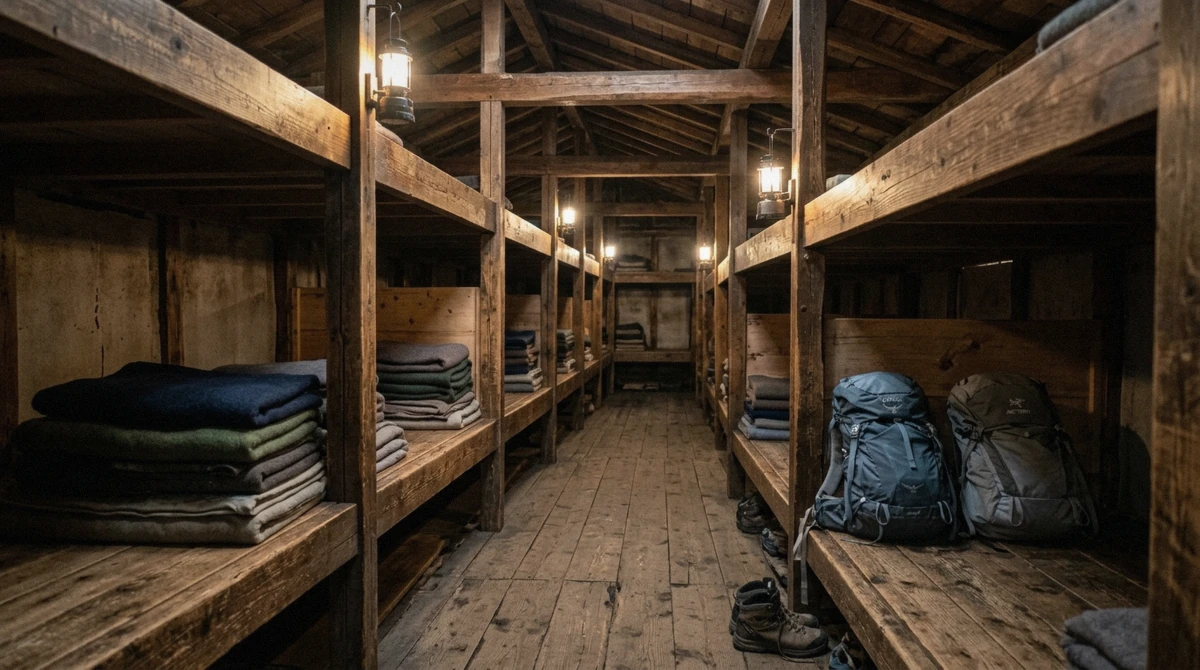
Almost every tour on this page splits the climb over two days so your body has time to adjust. You meet in Tokyo in the morning, usually at Tochomae Station near Shinjuku, and ride the coach two to three hours to a 5th-Station trailhead. The first afternoon you climb from the treeline up to a mountain hut around the 7th or 8th Station, eat a hot dinner, and sleep for a few hours.
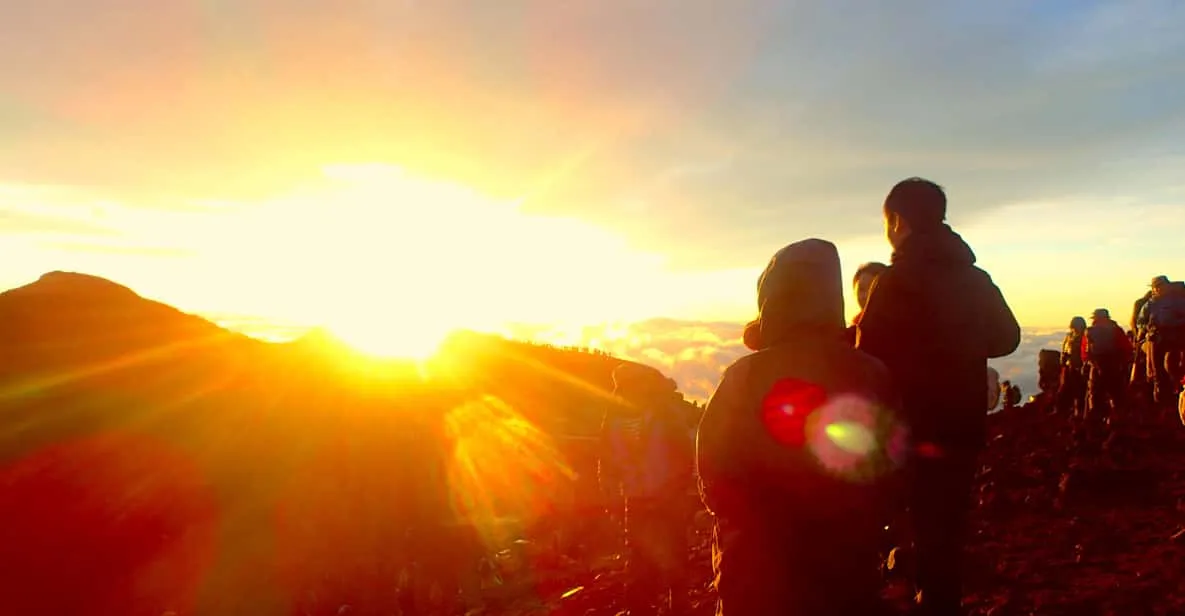
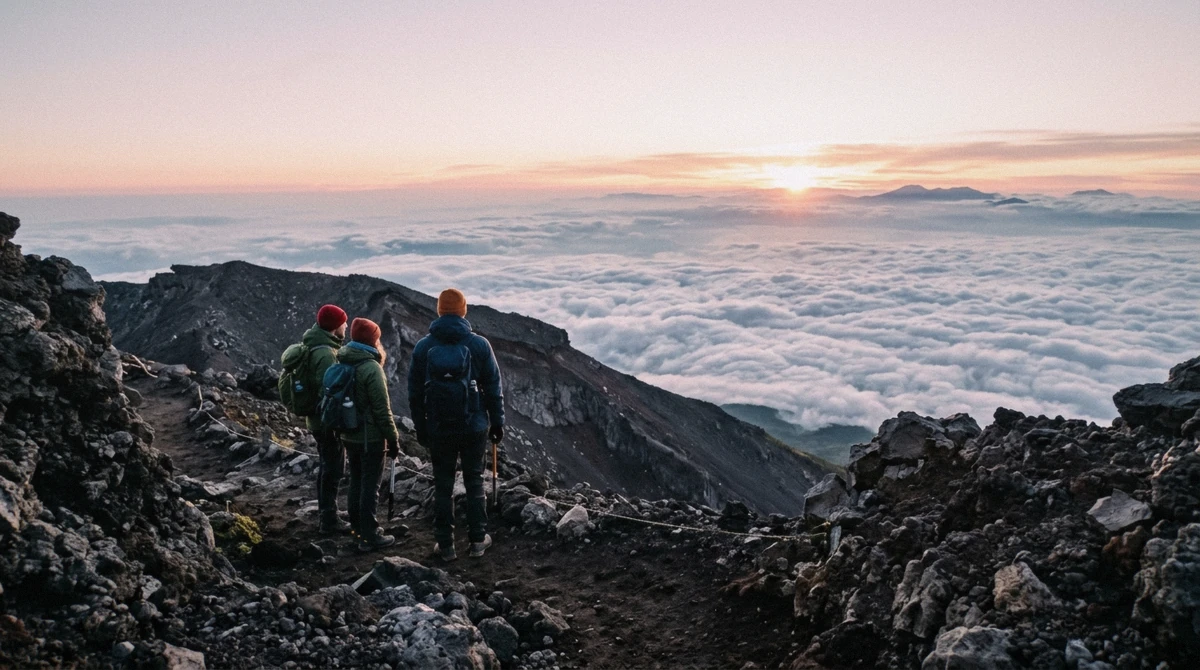
Long before light you climb the final stretch to the crater rim to watch goraiko, the sunrise seen from the top of Fuji. After photos on the summit you descend the zig-zag trail and reach Tokyo by evening. A one-day climb skips the hut and does the whole ascent and descent in a single long push, which suits fit hikers but leaves no room to acclimatise.
The new 2026 rules every climber must know
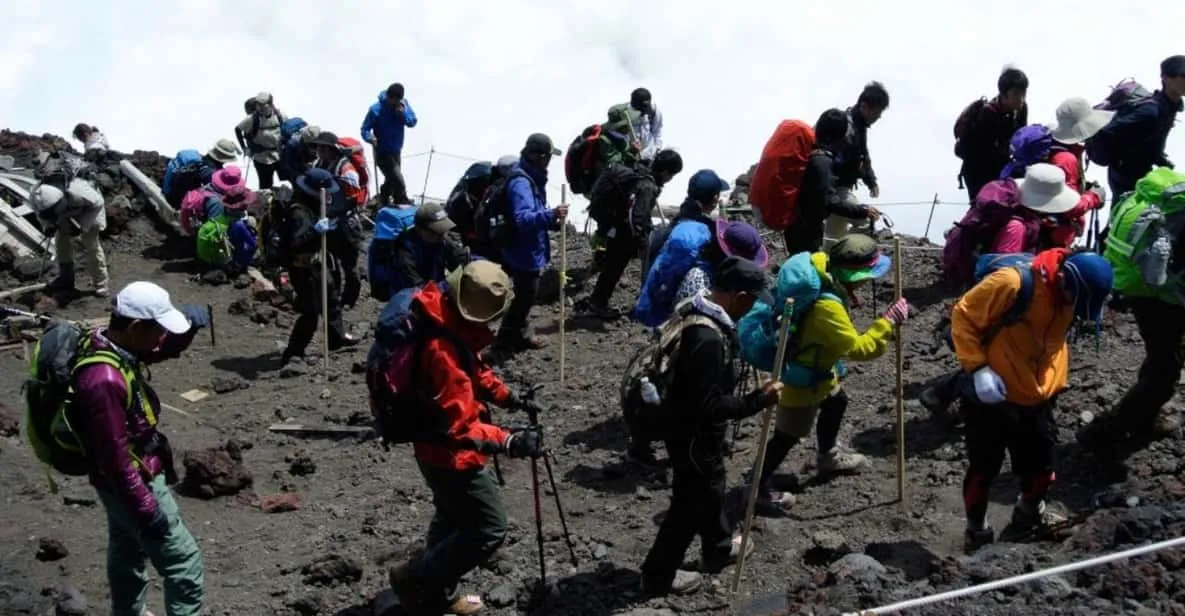
Fuji changed how it manages climbers, and the 2026 season keeps the stricter system. There is now a 4,000 yen entry fee per person on all four trails, and you are expected to make an online reservation and pay before you arrive rather than at the gate. The Yoshida trail also holds a daily cap of 4,000 climbers, so popular summer dates fill early.
To stop dangerous non-stop overnight ascents, known as bullet climbing, the trailhead gates close to anyone without a hut booking between 2 pm and 3 am. Booking a guided tour covers all of this for you — the operator reserves your slot, pays the fee, and holds your hut bed so the gate lets you through.
4,000 yen entry fee per climber, all four trails
Online reservation and payment before you climb
Yoshida trail capped at 4,000 climbers a day
Gates shut to non-hut climbers from 2 pm to 3 am (no bullet climbing)
Three items checked at the Yoshida gate: trekking shoes, cold-weather clothing and rainwear
When to climb and the best month
You can only climb during the short official season. The Yoshida and Subashiri trails open on July 1; the Fujinomiya and Gotemba trails and the summit open on July 10; all four close on September 10. The best month is a trade-off.
Early July can still hold snow up high and the rainy season lingers. Late July through August gives the warmest, most stable weather but the biggest crowds and the hardest hut bookings. Early September thins out the crowds but the weather grows less settled and huts start to close.
For a first climb, the first three weeks of August are the safest bet, and a weekday beats a weekend for space on the trail.
The four trails, and which one your tour uses
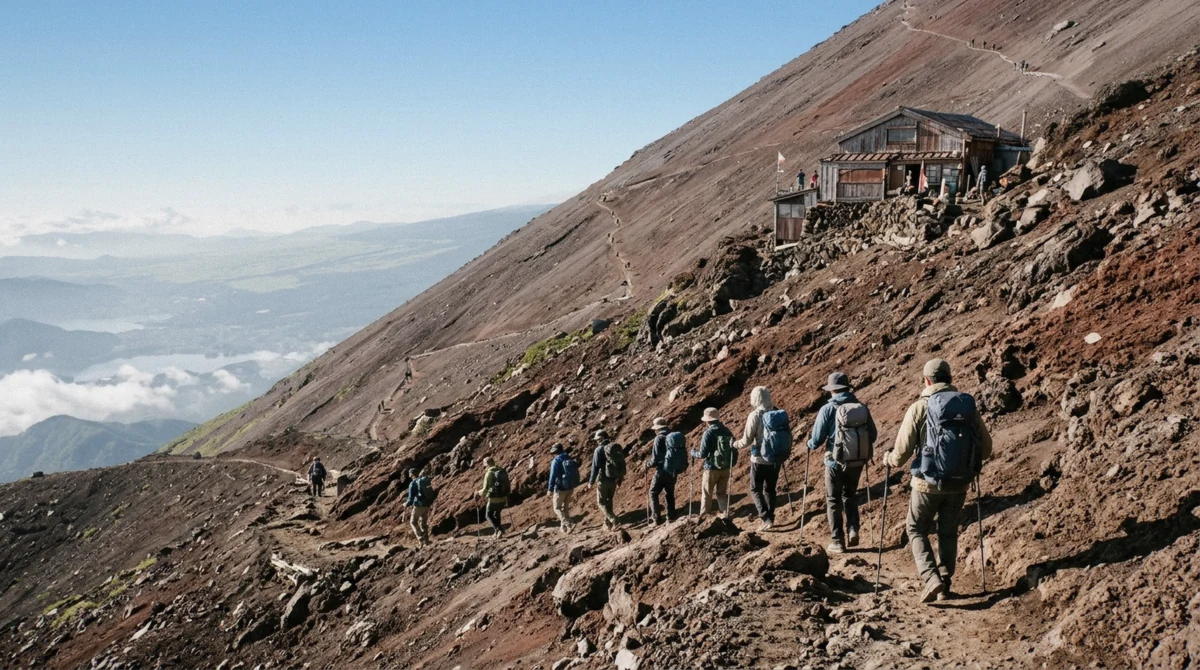
Four trails climb Fuji, each from its own 5th Station. The Yoshida trail starts at about 2,300 m, has the most huts and rescue support, and is the route most guided tours use — it is the busiest but the best-served. Subashiri begins near 2,000 m and joins the Yoshida trail high up, so it is quieter at the bottom.
Fujinomiya is the shortest line to the top from around 2,400 m on the south side. Gotemba is the longest and hardest, starting lowest at roughly 1,400 m with few huts, and is best left to strong, experienced hikers. Check which trail a tour uses before you book, because it sets both the difficulty and how crowded your climb feels.
Altitude, fitness, and whether beginners can climb
Mount Fuji is a walk-up, not a technical climb — there is no rope or scrambling — so fit beginners regularly summit on a guided two-day trip. The real difficulty is the thin air. Altitude sickness is the main reason people turn back, and it has nothing to do with how strong you are.
The two-day format helps because the hut stay lets you adjust before the final push. Go slowly, drink water, and rest often. If you can walk for six to eight hours over a weekend with some hills, you have the base fitness.
Children and older climbers do summit too; the 2-day tours simply take it at a steadier pace.
Climber
Best format
Why
Fit first-timer
2-day, Yoshida trail
Hut rest helps you handle the altitude
Very fit, short on time
1-day summit climb
Whole ascent in daylight, no overnight
Wants quiet over crowds
Hoei Crater or Subashiri
Fewer people on the lower trail
Nervous about the night climb
Summit lodge stay
Sleep at the top, no midnight start
What to pack
The summit can sit near freezing even when Tokyo is in the low thirties, and the weather turns fast. Guided tours often rent the bulky gear, but you bring the basics.
Proper trekking shoes with ankle support — checked at the gate
Warm cold-weather layers and gloves for the summit
Waterproof rainwear, top and bottom
A headlamp for the pre-dawn climb, plus spare batteries
At least 1.5 litres of water and some cash for hut toilets and drinks
A small quick-dry towel and any personal medication
Mountain huts and what a climb costs
The mountain huts are basic — a shared bunk, a hot meal, a few hours of sleep — but they are what makes the sunrise climb possible, and they book out fast. A hut overnight on your own runs about 13,000 to 15,000 yen with two meals. Add the 4,000 yen entry fee and a bus from Shinjuku at roughly 4,800 yen each way, and a self-guided climb adds up before you count gear.
The guided tours here fold most of that into one price, from about $238 to $450, which is why many first-timers find a tour the simpler way up.
Cost
Self-guided
On a tour
Entry fee
4,000 yen
Included
Mountain hut + 2 meals
13,000–15,000 yen
Included
Bus from Shinjuku (each way)
~4,800 yen
Included
Guide
None
Licensed, English-speaking
Typical all-in
Adds up with gear
$238–$450
The Climb, Station by Station
A Yoshida-route climb gains almost 1,500 vertical metres from the 5th Station to the crater. The huts cluster between the 7th and 8th stations, where your tour stops for the night before the dawn push to the top.
Subaru Line 5th Station2300 mYoshida trailhead — where the climb begins
6th Station2390 mTrail check point, gentle start
7th Station huts2700 mFirst cluster of mountain huts
8th Station huts3100 mMost tours sleep around here
Original 8th Station3400 mHighest huts before the summit
Summit (Kengamine)3776 mJapan's highest point — goraiko sunrise
Elevations are approximate. The thin air, not the distance, is what makes the top hard — climb slowly and rest at the hut.
Where the Climb Starts
The Four Trails, Compared
Each trail climbs Fuji from its own 5th Station. Most guided tours use Yoshida for its huts and support; the others trade comfort for quiet or a shorter line to the top.
Yoshida
2,300 m start
Moderate
Ascent
5–7 hrs
Descent
3–5 hrs
Huts
Many
Crowds
Busiest
The most popular route and the one most tours use — plenty of huts and the best rescue support.
Subashiri
2,000 m start
Moderate
Ascent
5–8 hrs
Descent
3–5 hrs
Huts
Some
Crowds
Quieter low down
Starts in forest and joins the Yoshida trail high up, so the lower climb feels calmer.
Fujinomiya
2,400 m start
Steep
Ascent
4–7 hrs
Descent
2–4 hrs
Huts
Some
Crowds
Moderate
The shortest line to the summit from the south side, but steep and rocky most of the way up.
Gotemba
1,400 m start
Hardest
Ascent
7–10 hrs
Descent
3–6 hrs
Huts
Few
Crowds
Emptiest
The longest climb with the least support — for strong, experienced hikers only.
Times are for an average climber and do not include hut rest stops.
What Climbers Say
★★★★★★★★★★
Climbing above the clouds and reaching the top for sunrise were the highlights. Like any non-technical climb it is a continuous uphill slog, but it is not that hard for the reasonably fit.
Greg · United States
★★★★★★★★★★
Everything was well organised, from the departure to the ascent to the onsen after and the drop-off back in Tokyo. Anyone active in life can do this without special training — though the hot spring after is welcome.
Fabien · France
★★★★★★★★★★
More challenging than I expected but totally worth it. The rests were essential because of the altitude, and the guide set such a good pace and waited for everyone.
Geoff · Australia
★★★★★★★★★★
I am eighty and made it to the eighth station. The advice and encouragement from my guides was worth every yen — they even offered to stay with me to try for the summit.
Bob · United Kingdom
Why Climb Fuji With a Guide
The 2026 rules, handled
Your guide reserves your slot, pays the 4,000 yen fee and holds your hut bed, so the trailhead gate lets you straight through.
A bed near the summit
Huts book out weeks ahead in season. A tour secures your bunk at a 7th- or 8th-station hut so you are close to the top for sunrise.
Paced for the altitude
Altitude sickness turns back more climbers than fitness ever does. A guide sets a slow pace and knows when to rest.
One price from Tokyo
Transport from Shinjuku, the permit, the hut and two meals in a single booking, instead of arranging each piece yourself.
English on the mountain
Every climb here is led by a licensed English-speaking guide who reads the weather and the trail conditions for you.
Free cancellation
Fuji's weather turns fast. Almost every climb can be cancelled free up to 24 hours ahead, so a bad forecast never traps you.
Mount Fuji Climbing Tour FAQs
What is the best month to climb Mount Fuji?
The season runs from early July to September 10, and the best month is August. Early July can still hold snow high up and catch the tail of the rainy season, while early September brings less settled weather and closing huts. Late July and the first three weeks of August give the warmest, most stable conditions — the trade-off is bigger crowds, so book early and pick a weekday if you can. Our week-by-week look at the best time to climb breaks the whole season down.
Which Mount Fuji tour is best?
It depends on your time and pace. The most-booked two-day climb with a mountain guide has the most reviews and the strongest support. Fit hikers short on time can summit in a single day, while anyone nervous about the pre-dawn start can sleep at a summit lodge and wake to the sunrise without a midnight climb. For quiet over crowds, the Hoei Crater route keeps you off the busiest trail. Compare all seven in the table above.
How much money does it cost to climb Mount Fuji?
On your own, budget the 4,000 yen entry fee, about 13,000 to 15,000 yen for a hut with two meals, and roughly 4,800 yen each way for the bus from Shinjuku — before gear. The guided tours here run about $238 to $450 and fold the permit, hut, meals and transport into one price, which is why many first-time climbers find a tour the simpler and often cheaper way up once gear is counted. The full cost breakdown with worked budgets runs the DIY-vs-guided math line by line.
Can beginners climb Mount Fuji?
Yes. Fuji is a walk-up with no ropes or scrambling, and fit beginners summit every season on guided two-day climbs. The challenge is the thin air, not technical skill. If you can walk six to eight hours with some hills, you have the base fitness — the hut stay helps you adjust to the altitude, and the guide sets a slow, steady pace to keep altitude sickness at bay. For the honest risk picture, see is climbing Mount Fuji safe.
Do I need to book the entry fee and hut myself?
Not on a guided tour. For 2026 every climber pays a 4,000 yen entry fee and is expected to make an online reservation before arriving, and the Yoshida trail caps numbers at 4,000 climbers a day. When you book a tour, the operator handles the reservation, the fee and your hut bed, so you clear the gate without arranging any of it yourself. Going independent instead? Our mountain hut booking guide covers how DIY reservations actually work.
What happens if the weather is bad on the summit?
Guides will turn a group back below the summit if conditions are dangerous — high wind, lightning or a storm — and safety comes before the top. It happens, and reaching the 8th or 9th station is still a real climb. This is why free cancellation and a flexible date matter: if the forecast looks poor, you can often move or cancel up to 24 hours ahead rather than climb into cloud.
Watch a Fuji Climb Before You Book: Three Views
Three angles on climbing Mount Fuji: how to plan and pack for the season, the two-day route with a mountain-hut overnight and the goraiko sunrise, and what a single hard day on the Yoshida trail actually feels like. Independent climber footage, so it shows the experience rather than any one operator's exact route.
Climbing Mt. Fuji: When to Climb, What to Pack, Top Tips
A practical planning guide to the season, the gear you need and the mistakes to avoid before your climb.
Video: Chopsticks on the Loose
Yoshida Trail in 4K: Mountain Hut, Night Hiking & Sunrise
The two-day experience end to end — climbing to a hut, the pre-dawn push and the goraiko sunrise from near the summit.
Video: Let's Meet Japan
Climbing Mt. Fuji in One Day on the Yoshida Trail
What a single-day summit climb really demands, useful if you're weighing the one-day option against a two-day tour.
Video: GO WITH JO
YouTube embeds load only after you press play. Third-party video content can change or be removed.
Ready to stand on the roof of Japan for sunrise? Compare the guided climbs above and lock in your date.
 from $238
Sunrise at the Summit
from $238
Sunrise at the Summit