Climbing Mount Fuji and Sleeping at the Summit for Sunrise
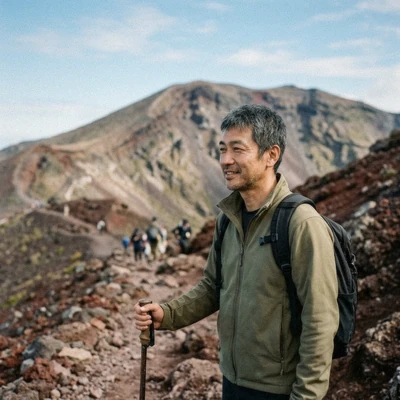
Almost every Mount Fuji climb builds to the same brutal moment: a midnight wake-up and a cold climb in the dark to catch sunrise from the crater. This climb skips it. You sleep at Japan's highest mountain hut, 3,740 m up and just below the rim, then walk out at first light to watch goraiko without the midnight push. Here is what a summit hut stay is really like, and who it suits.
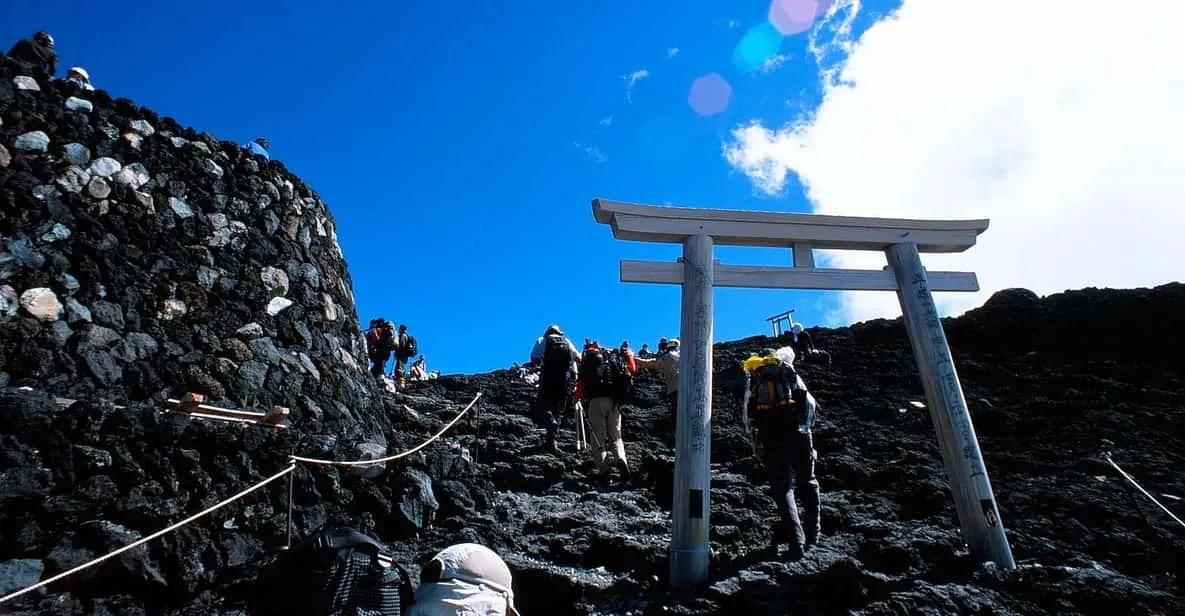
The Climb at a Glance
You overnight at Japan's highest hut, 3,740 m, right below the crater — not at the 7th or 8th station like most climbs.
Because you sleep at the summit, you wake to the goraiko sunrise a few steps from your bunk instead of climbing through the night.
Your guide circles the crater to Kengamine at 3,776 m, the true highest point in Japan, before the descent.
An English-speaking mountain guide leads the climb and paces the group for the altitude.
Meals and round-trip coach from Shinjuku are included, along with the 4,000 yen 2026 entry fee.
A 4.7-star rating from early climbers, the highest of the two-day options on this site.
Check Dates & Availability
Why Sleeping at the Summit Changes the Climb
The standard Mount Fuji climb sleeps at a hut around the 8th station, roughly 3,100 to 3,400 m, then wakes climbers around midnight for the last push to the crater in the dark. It works, and the sunrise is worth it, but the midnight climb is the part people dread: cold, crowded, and done on two or three hours of broken sleep. This climb removes it. You gain the full height on day one, all the way up to a hut at 3,740 m just below the rim, and sleep there. At dawn you walk out and the goraiko sunrise is right in front of you.
The trade-off is that day one is a longer, steeper climb, because you go higher before you stop. That also means the altitude hits sooner, so pace and hydration matter even more than usual. But for climbers who hate the idea of a broken-sleep night ascent, sleeping at the top is the calmer way to reach the summit. It is a genuinely different experience from the most-booked two-day climb, and one of several formats in the full lineup of guided Fuji climbs.
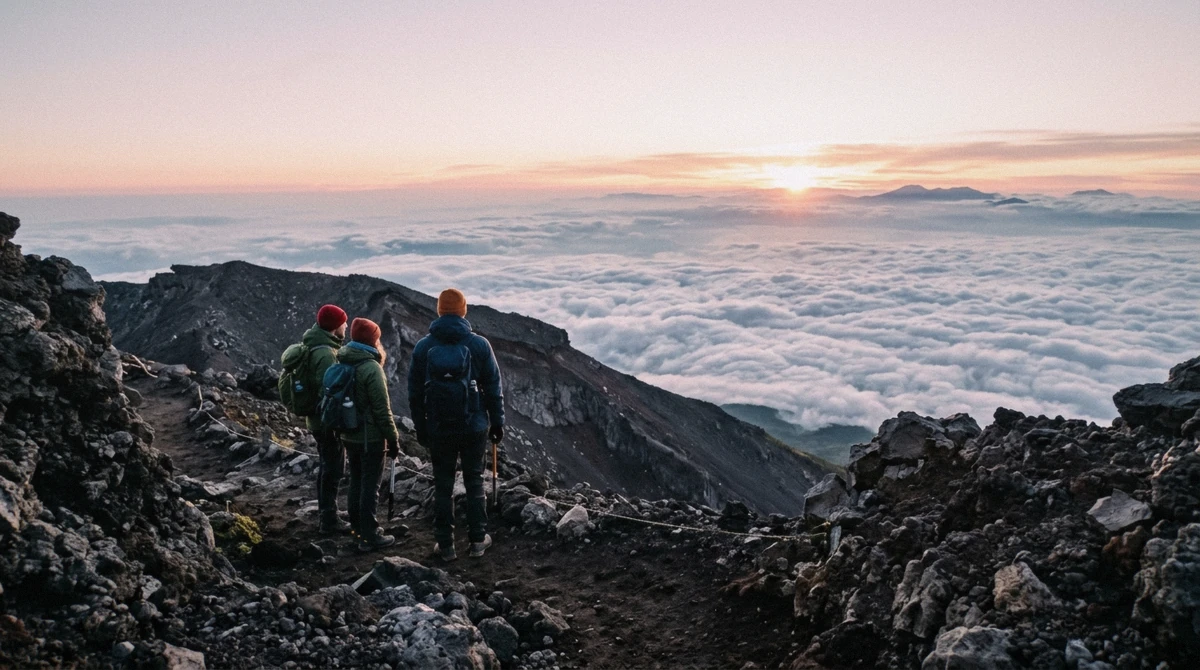
Sleeping at 3,740 m means the goraiko sunrise is a short walk from your bunk, not a midnight climb away.
How the Two Days Unfold
The plan front-loads the climbing onto day one so day two can be slow and calm.
- Morning: meet in Shinjuku and ride the coach to the 5th station trailhead at about 2,300 m
- Day one climb: ascend the Yoshida trail past the 7th and 8th stations all the way to the summit hut at 3,740 m
- Evening: a hot dinner and an early night in a bunk at the highest lodge on the mountain
- Dawn: step outside for the goraiko sunrise from just below the crater rim, no midnight climb
- Morning: circle the crater with your guide to Kengamine at 3,776 m, Japan's highest point
- Descent: down the zig-zag trail and back to the coach for the ride to Tokyo
What's Included and What to Budget For
Included in your booking:
- Round-trip coach between Shinjuku and the 5th-station trailhead - Licensed English-speaking mountain guide - One night at the summit hut (3,740 m) with a reserved bunk - Meals on the mountain - The 4,000 yen 2026 entry fee and trail reservation, arranged for you
Budget separately:
- Gear rental if you need it — confirm with the operator when you book - Extra drinks and snacks at the huts, which are pricier the higher you go - Coins for the hut toilets - Travel insurance covering high-altitude trekking
The Two-Day Schedule
-
Day 1 · Morning
Meet in Shinjuku
Group meet-up in central Tokyo, then the coach to the Subaru Line 5th Station at about 2,300 m.
-
Day 1 · Afternoon
Climb to the summit hut
A long climb up the Yoshida trail past the 7th and 8th stations to the summit lodge at 3,740 m.
-
Day 1 · Evening
Dinner at the top
A hot dinner and an early night at Japan's highest mountain hut.
-
Day 2 · Dawn
Sunrise from the rim
Step outside for the goraiko sunrise, then circle the crater to Kengamine (3,776 m).
-
Day 2 · Morning
Descend to Tokyo
Descend the zig-zag trail and return by coach to Tokyo.
Know Before You Climb
Because day one climbs higher than usual, a few points matter more here:
- The altitude arrives sooner — go slowly, drink water, and tell your guide early if you feel unwell
- The summit is near freezing at dawn even in summer, so pack real warm layers and gloves
- Proper trekking shoes, warm clothing and waterproof rainwear are checked at the Yoshida gate
- Sleep at the top is basic and shared; earplugs and an eye mask help
- If the weather is dangerous the guide may hold the group below the summit, so keep your date flexible
Where the Climb Begins
Who This Climb Suits
This climb suits anyone who wants the summit sunrise but dreads the midnight ascent, and who is fit enough for a longer, steeper day one. It rewards climbers who would rather sleep once, high up, and wake to the view than break their night in two. It is less suited to anyone worried about altitude, since you sleep higher than on a standard climb — those climbers are often better on the 8th-station climb with an English guide, which rests lower before the final push.
Summit Hut Stay FAQs
Do I really skip the midnight climb?
Yes. Because you sleep at the 3,740 m summit hut just below the crater, you wake at the top and step out for sunrise rather than climbing through the night. The trade-off is a longer, steeper first day to reach the hut.
How high do I sleep?
At about 3,740 m, Japan's highest mountain hut, only a short walk below the crater rim. That is higher than the 7th- or 8th-station huts used on most Fuji climbs.
Is the altitude harder on this climb?
It can be, because you sleep higher and reach that height in one day. The guide sets a slow pace and the usual rules apply: drink water, climb slowly, and speak up early if you feel altitude sickness coming on.
What is included in the price?
Round-trip coach from Shinjuku, an English-speaking guide, one night at the summit hut with meals, and the 4,000 yen 2026 entry fee. Gear rental and travel insurance are extra.
Will I reach the true summit?
Yes. After sunrise your guide circles the crater to Kengamine at 3,776 m, the highest point in Japan, before the descent.
What Climbers Say
The trip was amazing, an unforgettable experience with my 14-year-old son. Sleeping at the top and waking up to the sunrise is something we'll both remember.
I had a leg cramp and couldn't continue, and our guide Yuria stayed with us and helped us find somewhere to rest for the night while the other guide took the group on. That kind of care is why I'd recommend it.
Not having to do the midnight climb made all the difference. We slept, walked out, and the sunrise was right there. Our guide got everyone up and moving gently.