Climbing Mount Fuji with an English Guide and a Summit Certificate
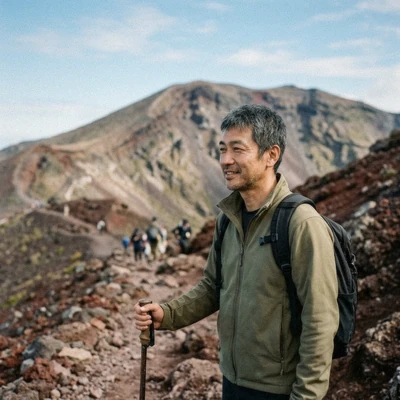
On a mountain where the weather and the altitude can turn quickly, being able to understand your guide matters. This two-day climb is built around English-speaking guides, a proper rest at an 8th-station hut before the dawn push, and a summit certificate handed out to everyone who reaches the top. Here is how it works and who it suits best.
The Climb at a Glance
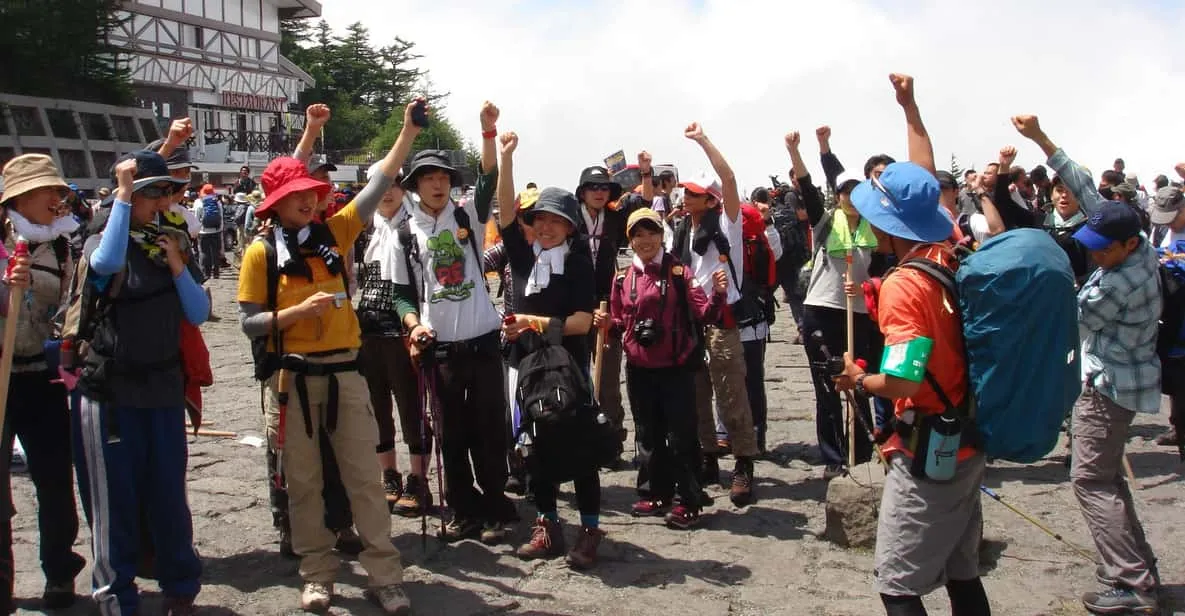
Briefings, pace and safety calls are all in English, so nothing gets lost when the weather or altitude changes.
You rest properly at an 8th-station hut so you reach the crater fresh for sunrise rather than exhausted.
Everyone who reaches the top receives a Mount Fuji summit certificate — a small but genuine reward for the effort.
The climb follows the best-supported trail on the mountain, with the most huts and rescue access.
The plan is timed so the final push lands you at the crater for the goraiko sunrise.
A solid 4.3-star record built on guides who reviewers name again and again for being calm and caring.
Check Dates & Availability
Why an English Guide and a Real Rest Matter
Mount Fuji is not a technical climb, but it is a place where communication saves the day. When the wind picks up above the 8th station, when someone in the group starts showing altitude sickness, or when the guide needs to change the plan, being able to understand every word matters. This climb puts English-speaking guides at the centre of the experience, which is why so many reviewers single them out by name.
The other thing it gets right is the rest. Some climbs push straight through with only a short break; this one builds in a genuine stay at an 8th-station hut, so you sleep and eat before the pre-dawn summit push and arrive at the crater with something left in the tank. The summit certificate at the end is a small touch, but after a cold night climb it lands better than you would expect. It is a slightly more supported, first-timer-friendly take than the most-booked two-day climb, and one of several formats among the guided Fuji climbs on the homepage.
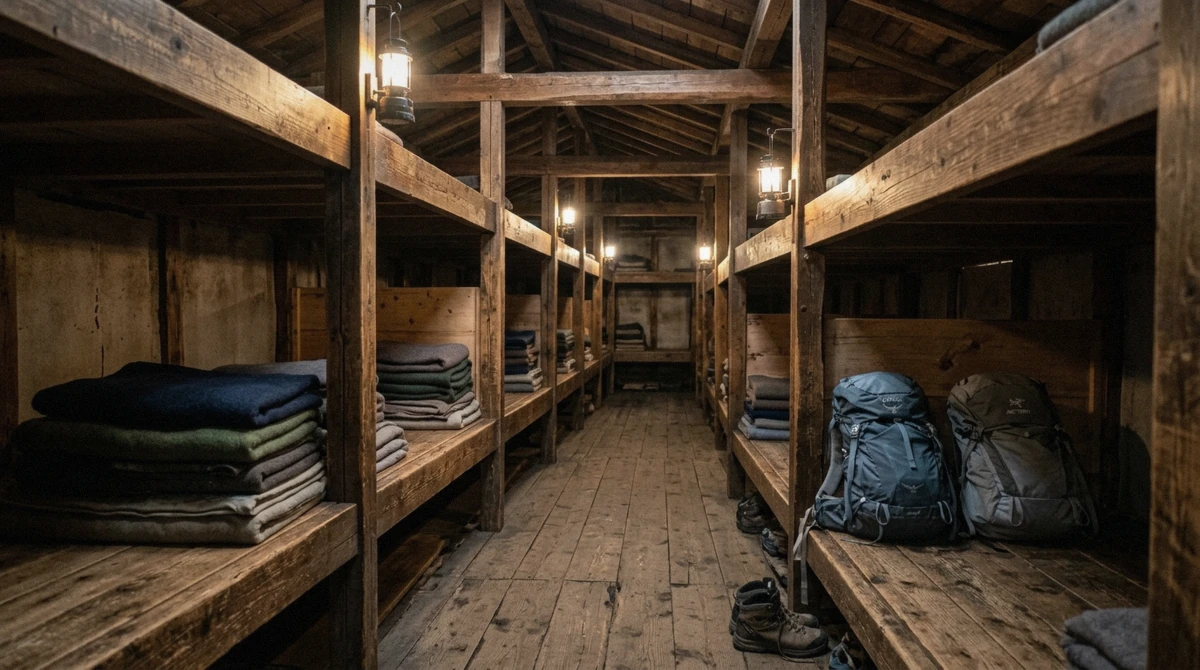
A proper rest at an 8th-station hut is what gets you to the crater fresh for sunrise.
How the Two Days Unfold
The schedule is paced so the 8th-station rest does its job before the summit push.
- Morning: meet in Tokyo and transfer to the 5th-station trailhead at about 2,300 m
- Afternoon: climb the Yoshida trail through the 6th and 7th stations to an 8th-station hut
- Evening: dinner and a real rest at the hut, with an English briefing on the morning plan
- Pre-dawn: the final climb by headlamp to reach the crater in time for goraiko
- Sunrise: the goraiko sunrise from the rim, then the summit certificate for those who made it
- Morning: descend the zig-zag trail and transfer back to Tokyo
What's Included and What to Budget For
Included in your booking:
- Round-trip transport between Tokyo and the 5th-station trailhead - English-speaking mountain guides - One night at an 8th-station hut with a rest stop and meals - A Mount Fuji summit certificate for those who reach the top - The 4,000 yen 2026 entry fee and trail reservation, arranged for you
Budget separately:
- Gear rental if needed — confirm with the operator in advance - Extra food, water and drinks at the huts - Coins for the hut toilets - Travel insurance covering high-altitude trekking
The Two-Day Schedule
-
Day 1 · Morning
Meet in Tokyo
Group meet-up and transfer to the Subaru Line 5th Station at about 2,300 m.
-
Day 1 · Afternoon
Climb to the 8th station
Up the Yoshida trail through the 6th and 7th stations to an 8th-station hut.
-
Day 1 · Evening
Rest and dinner
A proper rest and a hot dinner at the hut, with an English briefing for the morning.
-
Day 2 · Pre-dawn
Summit for sunrise
The final climb by headlamp to reach the crater for the goraiko sunrise.
-
Day 2 · Morning
Certificate and descent
Summit certificate at the top, then descend and transfer back to Tokyo.
Know Before You Climb
A few things worth knowing before you set off:
- The summit is near freezing at dawn even in August — pack warm layers and gloves
- Proper trekking shoes, warm clothing and rainwear are checked at the Yoshida gate
- Altitude sickness is about pace, not strength — climb slowly and hydrate
- Hut rest is shared and basic; earplugs and an eye mask help you use the hours well
- Weather can stop a group below the summit, so a flexible date is wise
Where the Climb Begins
Who This Climb Suits
This is a strong choice for first-time Fuji climbers who want to be sure they will understand their guide, value a real rest before the summit push, and like the idea of a certificate to mark the climb. It suits English-speaking travellers who want reassurance more than a challenge. Climbers chasing quiet over support may prefer the Hoei Crater route, and those who want a hot-spring finish can look at the climb with an onsen.
English-Guide Fuji Climb FAQs
Are the guides really English-speaking?
Yes. Briefings, pacing and safety calls are all handled in English, which is why so many reviewers name their guides directly. It makes the climb far less stressful for travellers who do not speak Japanese.
What is the summit certificate?
A Mount Fuji summit certificate handed to climbers who reach the top. It is a small keepsake, but after a cold pre-dawn climb it is a satisfying way to mark the achievement.
How is the 8th-station rest different?
Rather than pushing straight through, the climb builds in a proper stay at an 8th-station hut so you sleep and eat before the summit push, and reach the crater fresher for sunrise.
Is this good for first-timers?
Yes. Between the English guides, the real rest and the well-supported Yoshida route, it is one of the more reassuring ways up for a fit first-time climber.
What if I don't reach the summit?
Guides will hold the group below the summit if conditions are dangerous, and you can descend if the altitude affects you. Reaching the 8th or 9th station is still a genuine climb.
What Climbers Say
I had a great time and was so grateful to have Shunns as our guide. He was kind and caring and took good care of our group of fifteen. Highly recommended as a Mount Fuji guide.
We were a bit unlucky with the weather so we didn't reach the summit, but the experience was still amazing and the guide was very experienced. I'd come back when the weather is nicer.
Owada was the sweetest guide. I had such a great time and met some awesome people. So thankful and can't recommend it enough.